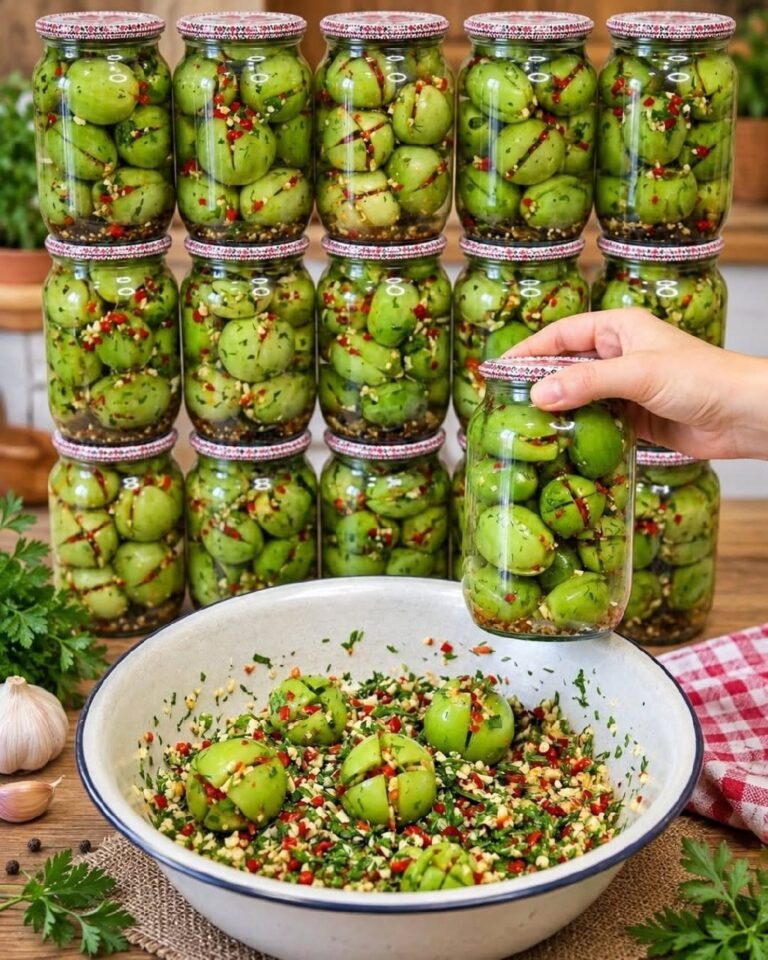
Cum să gestionezi cartofii verzi și să păstrezi sănătatea alimentelor

În viața de zi cu zi, ne confruntăm adesea cu dileme legate de alimentele pe care le avem în cămară. Un exemplu comun este descoperirea cartofilor verzi, care ne poate provoca anxietate. Este important să știm cum să abordăm aceste situații cu calm și cunoștințe adecvate. În acest articol, vom explora știința din spatele cartofilor verzi, cum să îi gestionăm corect și cum să ne menținem sănătatea alimentară.
Ce înseamnă când cartofii devin verzi?
Primul lucru pe care trebuie să-l știi este că nuanța verde a cartofilor nu este periculoasă în sine. Aceasta apare din cauza expunerii la lumină, care determină producerea clorofilei, pigmentul care dă culoarea verde plantelor. Clorofila este complet sigură pentru consum. Totuși, expunerea la lumină stimulează și producția de solanină, o toxină naturală care protejează planta de dăunători. Aceasta este responsabilă pentru gustul amar al zonelor verzi și, în cantități mari, poate provoca disconfort gastric.
Putem consuma cartofii verzi?
Răspunsul depinde de gradul de vernalitate al cartofilor. Dacă au doar câteva pete verzi mici și sunt fervenți, poți să îi consumi, dar trebuie să îndepărtezi complet pielea verde. Folosește un cuțit ascuțit pentru a curăța cartoful adânc și asigură-te că elimini și orice „ochi” sau muguri mici, unde solanina se concentrează. În schimb, dacă cartoful este foarte verde, moale sau are un gust amar, este mai bine să nu-l consumi.
Importanța siguranței alimentare
Consumul de solanină în cantități mari poate provoca disconfort gastrointestinal. Este esențial să ne gestionăm alimentele cu grijă pentru a evita stresul fizic și inflamația. O abordare proactivă în ceea ce privește siguranța alimentară ne ajută să ne menținem sănătatea vasculară și să ne păstrăm liniștea interioară.
Ritualuri de organizare a cămării
Pentru a te asigura că alimentele tale rămân proaspete, este important să urmezi câteva reguli simple de păstrare a cartofilor. Aceștia trebuie să fie depozitați într-un loc răcoros, întunecat și uscat, departe de ceapă, care accelerează procesul de germinare. De asemenea, nu trebuie să îi păstrezi în frigider, deoarece temperatura rece poate transforma amidonul în zaharuri, afectând gustul.
Concluzie
În concluzie, gestionarea corectă a cartofilor verzi și a altor alimente este esențială pentru a ne menține sănătatea și a evita risipa. Prin observarea atentă și prin practici de siguranță alimentară, putem transforma dilemele culinare în oportunități de învățare. Fii proactiv și învață să îți organizezi cămara cu încredere, astfel încât să poți savura fiecare masă fără griji.
the most widely consumed foods in the world—found in salads, sauces, stews, and countless everyday dishes. But this simple, humble fruit may have more going on than meets the eye.
In recent years, researchers have taken a closer look at the compounds found in tomatoes, and some of their findings have even surprised health professionals. Here’s a gentle look at what happens in the body when tomatoes become a regular part of your diet.
The Compound That Makes Tomatoes Special
One of the most studied components of tomatoes is lycopene —a powerful natural antioxidant that gives tomatoes their characteristic red color.
Lycopene helps fight free radical damage in the body, which may help protect cells from premature aging and support overall cellular health.
Interestingly, this compound is more easily absorbed when tomatoes are cooked , especially in preparations like tomato sauce or soffritto. So that pasta sauce isn’t just delicious—it may also be more nutritious.
A Heart-Healthy Ally
Regular tomato consumption has been linked to several potential benefits for cardiovascular health. It may help:
- Support healthy blood circulation
- Reduce certain inflammatory processes
- Promote healthy cholesterol levels
This combination of antioxidants, vitamins, and minerals makes tomatoes a welcome addition to a balanced diet.
Cell Protection and Antioxidant Support
Lycopene and other compounds found in tomatoes have also been studied for their potential role in protecting cells. Antioxidants help the body neutralize unstable molecules that can damage tissues over time.
While no single food can prevent disease, a diet rich in fruits and vegetables—including tomatoes—can contribute to a healthy lifestyle.
Hydration and Essential Nutrients
Hydration and Essential Nutrients Tomatoes are composed mainly of water, making them a refreshing and light food. They also provide important nutrients such as:
This makes them an ideal choice for those looking for nutritious, low-calorie foods.
A Gentle Caution Although tomatoes are beneficial for most people, some individuals may experience heartburn or digestive discomfort if they consume large quantities—especially if they already have stomach sensitivities.
In these cases, specialists often recommend moderating consumption or opting for cooked versions, which can be gentler on the digestive system.
Final Thoughts Sometimes it’s the most common foods that surprise us the most. Tomatoes, found in millions of kitchens around the world, contain compounds that can offer meaningful health benefits when included in a balanced diet.
As with any food, the key is variety, moderation, and a wholesome approach—combining fruits, vegetables, protein, and healthy lifestyle habits.
Good health often starts with the simplest ingredients—like the humble tomato, quietly nourishing us one meal at a time.
Homemade Ajvar Recipe – A Rich and Flavorful Roasted Pepper Spread
Homemade ajvar is a traditional Balkan spread prepared with roasted red peppers, eggplant, garlic, and a few simple seasonings. Its deep roasted flavor and creamy texture make it delicious with bread, grilled dishes, roasted vegetables, sandwiches, and cheese.
Making ajvar takes time, but most of the work involves roasting, peeling, and slowly cooking the vegetables. The result is a rich homemade spread that can be enjoyed immediately or stored for later.
Recipe Overview
Preparation time: 1 hour 30 minutes Roasting time: About 1 hour Cooking time: 2–3 hours Total time: About 4–5 hours Yield: Approximately 8–10 medium jars
Postări similare:
- Carne verde în pui? Iat? ce trebuie s? ?tii
- 10 Semne de Avertizare că Ficatul Tău Ar Putea Fi în…
- 5 Greșeli Comune Pe Care Multe Persoane Le Fac Când…
- Iluzii optice și siguranța alimentelor: Ce trebuie să știm
Leave a Comment Cancel reply
Ingredients
- 10 kg ripe, fleshy red peppers
- 2 kg eggplants
- 5–6 fresh chili peppers, optional
- 500 ml sunflower oil or mild olive oil
- 2–3 heads of garlic
- 2–3 tablespoons salt, or to taste
- 2 tablespoons sugar
- 150 ml white vinegar
Choosing the Best Peppers
Long, fleshy red peppers are ideal for ajvar because they have a naturally sweet flavor and contain less water than thinner varieties. Choose peppers that are:
- Fully ripe and bright red
- Firm and free from soft spots
- Heavy for their size
- Thick and fleshy
Good-quality peppers produce a richer flavor, brighter color, and thicker consistency.
How to Make Homemade Ajvar
1. Prepare the vegetables
Wash the peppers, chili peppers, and eggplants thoroughly. Dry them well before roasting.
Leave the peppers whole. Prick the eggplants several times with a fork to prevent them from bursting during roasting.
Roast the vegetables on a grill, hot plate, or in the oven.
If using an oven, arrange the vegetables in a single layer on baking trays. Roast at 230°C until the skins become dark and blistered, turning them occasionally so they cook evenly.
The peppers should be soft but not completely burned. Roast the eggplants until they are tender and easily pierced with a knife.